

The World of British Horse Racing: What to Do When Races Are Not On
British horse racing is a cornerstone of the sporting culture, with a rich history that dates back centuries. From the prestigious events at Ascot and Epsom to the grassroots meetings in local towns, horse racing captures the hearts of many. However, there are times when racing events are not on, leading to a vacuum in the enthusiasm that this sport generates.
During these downtimes, bettors and fans alike may feel at a loss. But fear not—there are still ways to engage with the sport, including British horse racing not on GamStop horse racing not on GamStop, which offers alternatives for those looking to continue their racing experiences.
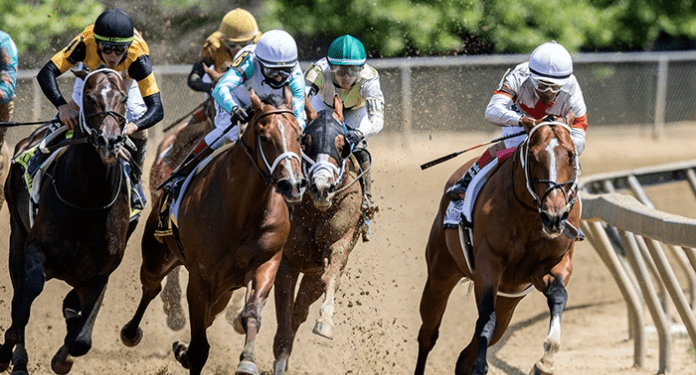
The Historical Significance of British Horse Racing
Horse racing as a form of entertainment has been entrenched in British culture since the early middle ages. With the establishment of organized racing, events began to attract spectators and bettors, growing into a formalized and regulated sport. The Jockey Club, founded in 1750, has played a pivotal role in shaping the racing landscape, overseeing the rules and ensuring fair play. Iconic races such as The Derby and The Grand National have become synonymous with British heritage.
Types of Races in Britain
British horse racing encompasses various types and categories, mainly classified into flat racing and jump racing. Flat racing is held on a level track and is characterized by speed and stamina, while jump racing, which involves obstacles such as hurdles and fences, tests the agility and endurance of the horses. Additionally, there’s harness racing, which involves horses pulling a cart or sulky. Each type of racing presents unique strategies for bettors and different experiences for spectators.
The Impact of Race Cancellation
Occasionally, races are canceled due to inclement weather, health concerns, or logistical issues. Such cancellations not only disrupt the schedules of fans and bettors but also impact the economy tied to racecourse activities. Local businesses, shops, and eateries often rely heavily on racing events for traffic and revenue. In a broader sense, the cancellations can affect breeding farms and the equine industry, making it a ripple effect that could be felt far and wide.
How to Stay Engaged When Races Are Not On
When races are canceled, fans can still maintain their interest in the sport. Here are some ways to do so:
- Watch Replays: Many online platforms offer replays of previous races. Analyzing past performances can help bettors make informed decisions for future races.
- Study Statistics: Familiarizing oneself with horse statistics, jockey performances, and trainer backgrounds can provide an edge when betting resumes.
- Engage with the Community: Joining forums and social media groups dedicated to horse racing can help fans discuss strategies and share insights.
- Explore Other Betting Options: For eager bettors, exploring horse racing not on GamStop may present alternative opportunities to engage with betting outside conventional frameworks.
The Role of Technology in Racing
The advent of technology has dramatically transformed the landscape of British horse racing, both for the fans and the participants. Live streaming services allow fans to watch races from anywhere in the world, while mobile apps offer real-time updates on events, odds, and results. Furthermore, artificial intelligence is increasingly utilized for predictive analytics, helping bettors make calculated decisions based on data-driven insights.
Future of British Horse Racing
As the world continues to evolve, so does horse racing. With growing concerns about animal welfare, the prioritization of equitable regulations, and the influence of technology, the future of British horse racing could shift dramatically. Advocates are pushing for the sport to adapt and cater to a new generation of fans who prioritize sustainability and ethical practices. Understanding these changes is crucial for anyone invested in the sport’s future.
Conclusion
British horse racing is more than just a sport; it’s a significant aspect of cultural heritage, community pride, and economic activity. Although the absence of races can be disheartening, there are myriad ways for fans and bettors to stay engaged. By leveraging technology, exploring alternative betting options, and connecting with the broader community, the passion for horse racing can be sustained even when events are temporarily halted. As we look forward to the return of racing events, let us embrace the opportunities for learning, engaging, and celebrating this iconic sport.